

Hazvinei Mwanaka
Masvingo- A number of journalists last week received training on lenacapavir, a drug used by HIV negative people who are at risk of acquiring HIV, to help them report accurately and avoid misinformation.
Speaking during a Ministry of Health and Child Care (MOHCC) Lenacapavir (len)media training facilitated by OPHID and Health Communicators Forum with support from United States Government health experts emphasized the need to relay correct information.
Dr Idah Moyo HIV Prevention Officer AIDS and TB Programme with the MOHCC said Lenacapavir is not an HIV vaccine, treatment or cure.
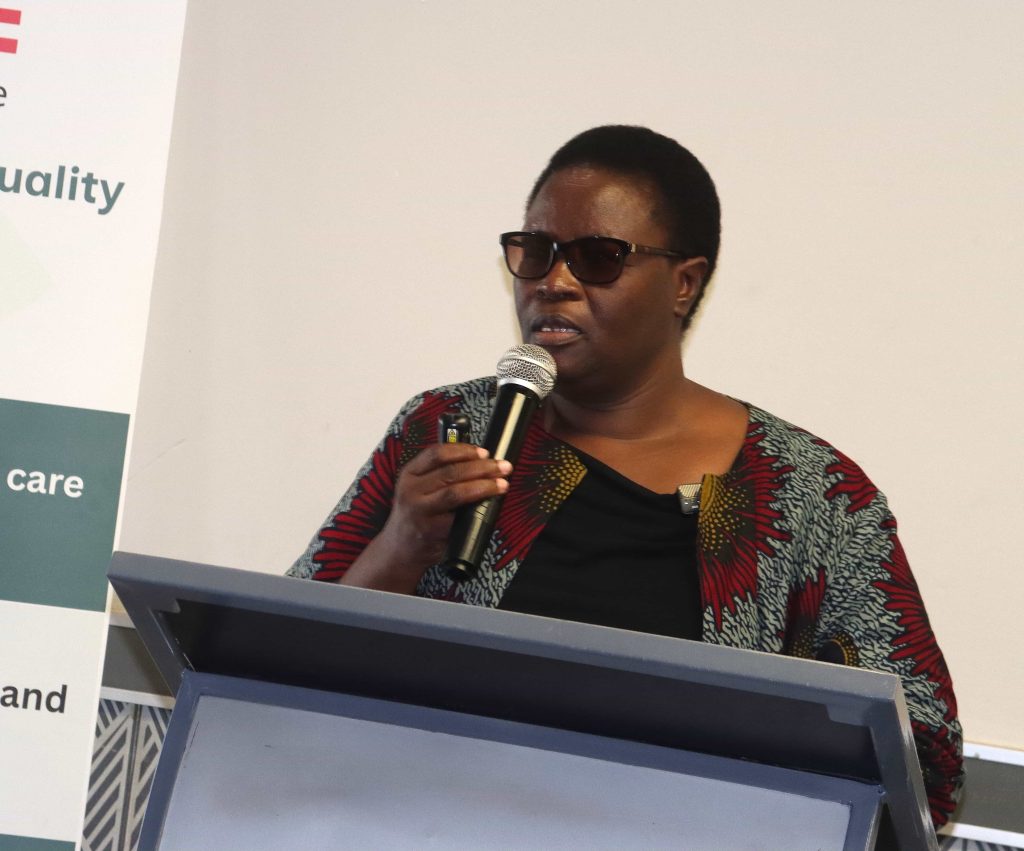
“LEN is a long- acting pre- exposure option for HIV prevention, and it is for people who are HIV- negative and at risk of acquiring HIV. It is given every six months after initiation dosing, but users still need HIV testing at each follow up visit.
“Zimbabwe is introducing LEN in a phased approach, prioritizing populations and districts with the greatest prevention need,” she said.
Moyo emphasized that before starting LEN, and before follow up injections, health workers must confirm that the client does not HIV.
“This is important because using PrEP when someone already has undiagnosed HIV can increase the risk of drug resistance,” she said.
Dr Ponesai Nyika MOHCC Consultant LEN Service Delivery said as journalists, you are not just reporting a story, you are shaping the future of HIV prevention in Zimbabwe.
“Journalists reporting can build public trust in new HIV prevention technologies, combat myths, misinformation, stigma and promote informed evidence based dialogue.

“As journalists you will be amplifying voices of communities most affected by HIV, hold stakeholders accountable while avoiding sensationalism and helping ensure equitable access to life saving innovations,” he said.
Dr Pugie Chimberengwa OPHID Technical Director said misinformation and limited understanding of HIV prevention tools continue to hinder the uptake of LEN.
“It is important for journalists or health journalists to report accurately on LEN because there is what we call info dermic where we have misinformation, rumors and disinformation. We always want our population to know the correct information which pertains to LEN,” said Chimberengwa.

HCF Chairperson Anna Miti emphasized the need for accuracy when reporting on complex science information.
“Inaccurate or sensationalized reporting can undermine public health efforts, fuel stigma and erode trust in life saving machines,” she said.
As of 7 May, 2026 1 478 clients initiated LEN from 11 different facilities and of these 67% were females.
Figures from the MOHCC indicates that there were 14 987new HIV infections in 2024 and of these 60 % were among females and 22% among adolescent girls and young women.
Approximately 1,3 million people are living with HIV in Zimbabwe.